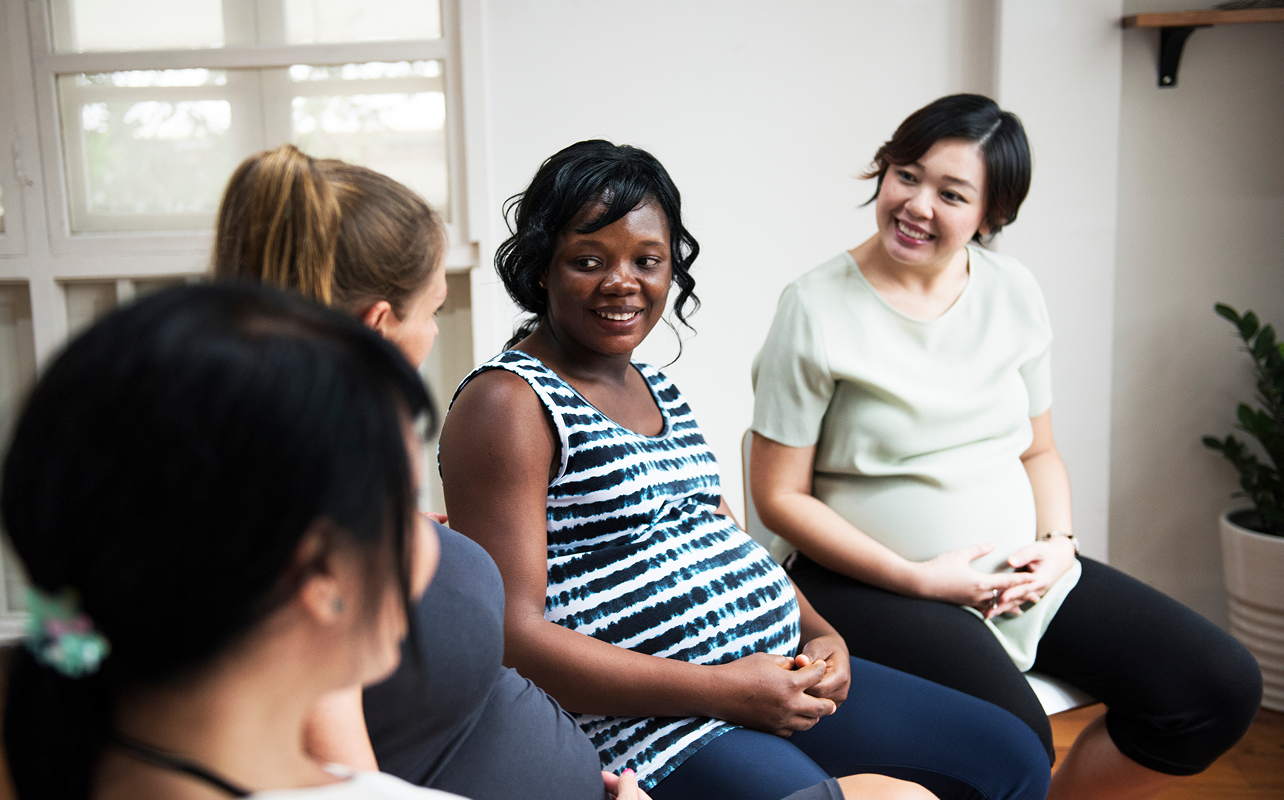
Pregnant women or new mothers in Luton & Beds, sign up to our Maternal Vaccine Voices Research Study
 Featured
Part of our Vaccine Trust and Equity Series | PACE
In the UK, childhood vaccines like MMR are offered free through the NHS and have played a major role in keeping children healthy. But vaccine uptake isn’t equal across all communities.
Black and South Asian children are statistically less likely to receive all their vaccines on time compared to White children. The reasons behind this aren’t just about misinformation or access — they’re about trust, lived experience, and the difficult decisions parents make every day.
We wanted to explore this properly — by listening to the parents themselves.
We conducted in-depth interviews with 15 parents of children under the age of five. All were from Black African, Caribbean, or South Asian backgrounds, and all were living in the UK.
We asked:
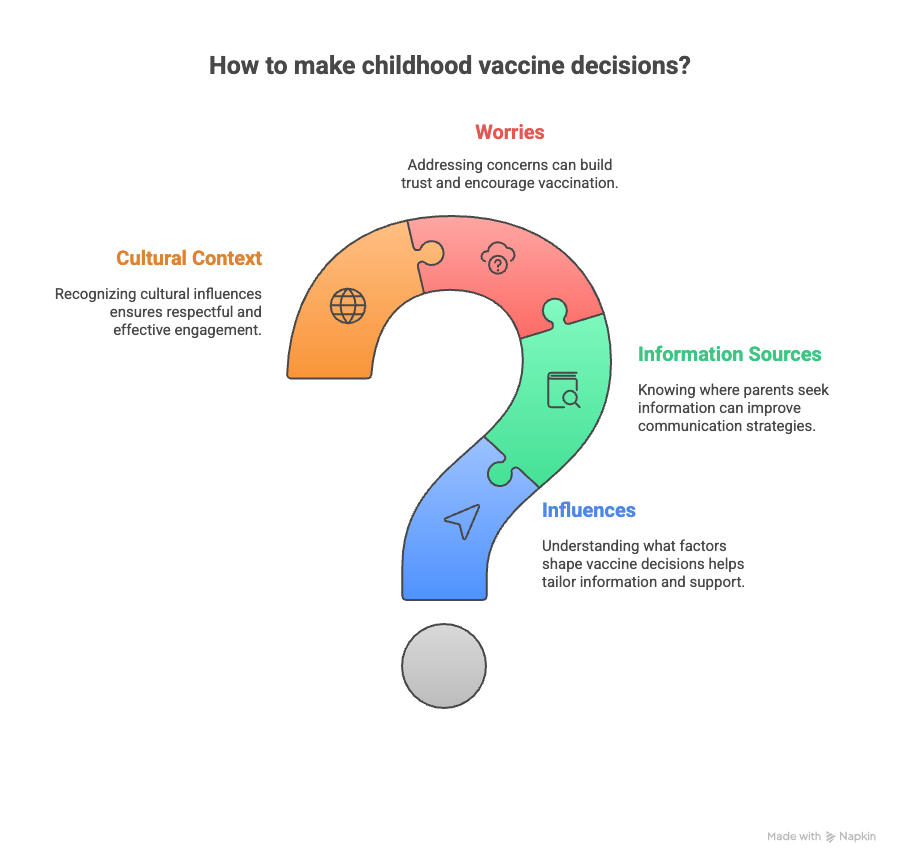
√What influenced their vaccine decisions?
√Where did they go for information?
√What were they worried about?
√And how did their cultural, family, and social context shape these decisions?
This was not about persuading anyone, it was about listening.
Many parents said they generally trusted the NHS — but when it came to vaccines, they had questions they didn’t feel were taken seriously. A few had experienced rushed appointments, judgement from healthcare professionals, or a lack of cultural understanding.
“I’m not anti-vaccine. But when I asked the nurse about spacing them out, she shut me down. That made me feel like I couldn’t ask anything else.”
— Mother of two, South Asian background
Parents described searching online, reading NHS pages, but also scrolling through WhatsApp messages, YouTube videos, and TikTok accounts. Many were left overwhelmed.
“I see stories on Instagram of children getting sick after vaccines… I don’t know if they’re true, but it makes you think twice. In Africa, students are not this sick, what is the cause of autism then if not vaccines?”
— Father, Black African background
Almost every parent said their decisions — whether to delay, accept, or question vaccines — came from love and protection.
“I’m not trying to rebel against doctors. I just want to be sure I’m doing the right thing for my baby.”
— Mother of one, Black British Caribbean background
This study reminds us that vaccine hesitancy is not about ignorance. It’s about parents doing their best, under pressure, with complex and conflicting information. For some, it’s also shaped by historical or personal experiences of discrimination in healthcare.
Solutions need to go beyond “myth-busting” — they must involve empathy, dialogue, and trust-building. That means:
Listening more carefully to parents’ concerns
Training health professionals in culturally competent communication
Co-creating resources that reflect lived realities, not just statistics
Where We Go From Here
We’re working on turning these findings into community tools — not just academic papers. Because parents deserve access to research that reflects their voices.
We’ll be sharing:
♦A free visual explainer of our findings
♦A mini podcast series featuring parent voices
♦Community-led conversations on trust and healthcare
Want to stay involved? Join our newsletter, follow us on social media, or reach out if you want to collaborate.
✍️ Research Lead:
Dr Glory Aigbedion, Senior Lecturer & Founder PACE
For questions or partnerships, contact: hello@paceinitiative.org.uk
 Share Post